
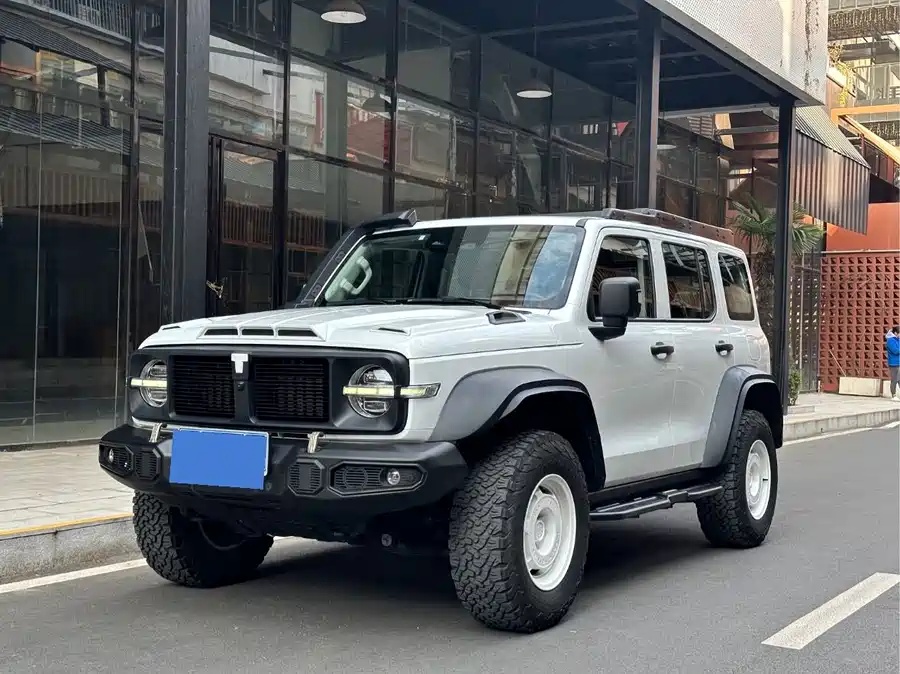
Decide whether a Tank 300 tyre package deserves a premium using actual surfaces, road duty, approved fitment, condition and replacement cost.
Describe the surfaces and frequency of use
Separate ordinary paved driving, gravel travel, muddy tracks and any demanding terrain. Record how often each occurs and how the vehicle will be loaded. A rare difficult section should not automatically determine every kilometre of daily use, especially when another safe route or a professional trip plan is available. The off-road capability review keeps tyre choice within a complete task rather than treating tread appearance as the whole system. Ask which specific tyre product is being offered and obtain its own technical information. Do not promise a universal wet-road, noise or traction result based only on an AT or MT label.
Identify the product and approved fitment
Record manufacturer, model, size, construction, load and speed markings, date codes and any applicable vehicle approval. Check the actual wheels and spare, not only a seller’s written package description. Use the tyre-size and spare-wheel guide for compatibility and matching evidence. A product appropriate in one size or application is not automatically suitable in another. Do not value an oversized package before confirming clearances and the resulting geometry. Keep tyre choice separate from undocumented suspension work; an aggressive tread does not establish that the complete wheel-and-lift installation is supported for the vehicle or destination.
Price present condition before accessory appeal
Inspect tread, damage, uneven wear, repairs and age with a qualified assessor. Ask about puncture history and examine the spare as part of the same record. Near-end-of-life premium tyres can create an immediate expense rather than a valuable included upgrade. The lift and wheel-alignment assessment can help investigate suspicious wear where a modified setup is involved. Do not assume a clean sidewall means the tyre is serviceable or use tread depth alone as a complete assessment. Quote replacement and any necessary wheel or alignment work before deciding what the package adds to the purchase.
Include road behaviour in a permitted trial
Observe the actual vehicle at ordinary safe speeds on a suitable route. Record noise, vibration, steering behaviour and relevant weather or loading conditions. The motorway trial guide helps separate tyre-related impressions from unresolved mechanical issues. Do not perform risky braking or cornering to demonstrate a tyre claim. If road behaviour is a concern, obtain qualified inspection and the tyre manufacturer’s applicable evidence. A visibly aggressive package may fit a specialised route but still be inconvenient for a largely paved commute. Evaluate the specific product and condition rather than declaring every mud-terrain tyre unsuitable for every road buyer.
Check destination replacement and spare support
Ask suppliers near the intended destination whether the exact approved size and suitable products can be obtained. Record lead time and installed price, including disposal, balancing and any alignment work that is actually required. An uncommon configuration may complicate a trip even when the fitted set currently appears acceptable. The service and parts plan should include this supply question. Do not rely on a mismatched emergency spare as a permanent answer. Where remote travel matters, have a competent trip planner define appropriate support and repair equipment; the purchase comparison should not claim that a particular tyre makes recovery assistance unnecessary.
Compare retained and replacement configurations
Prepare two supported cost options: keep the inspected package or replace it with a suitable alternative. Include the complete set and any required geometry or wheel correction, not just a single tyre price. Use the stock-versus-modified buying review to value the broader package without paying for accessories that conflict with the brief. If the seller removes tyres or wheels before handover, specify the replacement identity and require another inspection. The buyer’s value is based on usable remaining service and task fit, not the previous owner’s original retail bill for an upgrade.
Approve a task-specific package
Choose the package that meets approved fitment, condition, daily use, terrain and replacement requirements within the complete budget. Record accepted tyre and wheel identifiers in the candidate file. Pause where size, clearance or wear concerns remain unresolved; do not accept a discount as proof of safety. Reassess if the seller substitutes another set. This guide concerns the purchasing value of a tyre package, while matching, inspection and use instructions remain separate technical checks. It does not supply a brand-wide tyre recommendation or a universal claim that AT or MT is the best choice for all Tank 300 buyers.
Evidence to collect
- Real paved and terrain duty described
- Specific tyre product and approved size
- Condition of all wheels and spare
- Safe road observations and qualified findings
- Installed replacement cost and local availability
Frequently asked questions
Should mud-terrain tyres automatically raise the vehicle price?
No. Value depends on suitability, remaining condition, documented fitment and the buyer’s route, not the tread label alone.
Does this replace a tyre matching assessment?
No. Confirm size, ratings, wheel compatibility and spare suitability separately before accepting the package.