
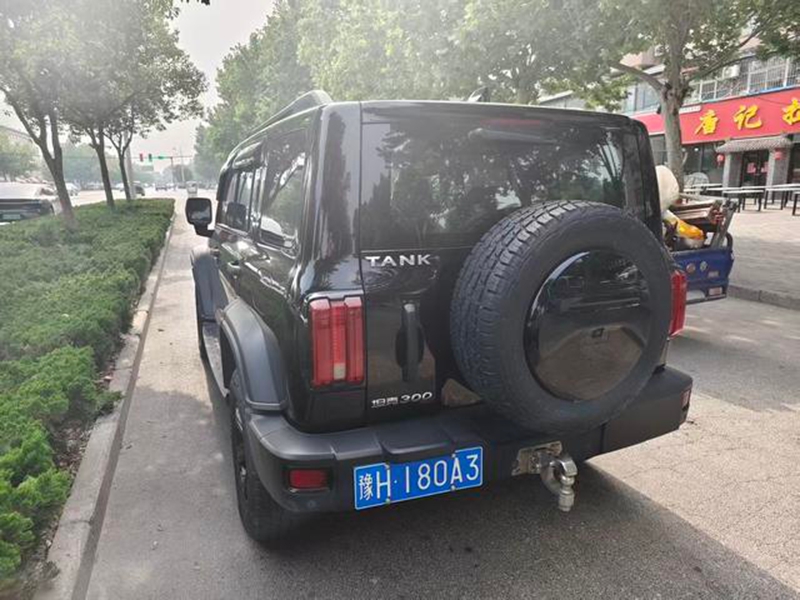
Build a defensible Tank 300 budget using vehicle condition, version, export costs, freight, destination taxes and an appropriate contingency.
What changes the vehicle price
New-car quotations depend on the exact market specification, production batch and supplier terms. Used prices respond to age, mileage, service evidence, paint and structural condition, tyre set, number of keys and equipment. Desirable factory hardware may add value, but aftermarket parts should be valued cautiously unless their brand, installation quality and legality are documented.
Normalise competing quotations
Ask each supplier to show the same commercial boundary. One quotation may end at a Chinese yard while another includes inland transport, export declaration and port delivery. Record currency, validity, tax basis, included inspection, included repairs, port, shipping method and payment milestones. Only then can the totals be compared without mistaking a narrower quotation for a cheaper vehicle.
Budget for inspection findings
A professional inspection is a decision cost, not a cosmetic add-on. Allow for tyres, fluids, battery, alignment, brake service, damaged underbody protection and removal of accessories that do not suit the destination. If the report reveals structural repair, flooding, unresolved warning lights or unclear ownership, the rational outcome may be rejection rather than a discount.
Keep destination charges separate
Import duty, VAT or sales tax, port fees, customs brokerage, storage, registration, conformity work and local delivery belong in the landed-cost model. These items vary by destination and can change independently of the Chinese purchase price. Obtain current local advice using the exact year, fuel type, engine capacity, value basis and origin documents of the candidate.
Evidence to collect
- Vehicle and inspection basis
- China inland and export fees
- Freight and marine cover
- Destination duty and tax
- Port, broker and registration
- Repair and exchange-rate reserve
Apply the guide to a real candidate
Use condition-adjusted price
Create a correction list from the inspection: tyres, alignment, fluids, brake work, battery, damaged protection, paint repair and unsuitable accessories. Add parts, labour and a time allowance to the advertised price. A vehicle that needs immediate safety work is not comparable with one ready for shipment. For structural uncertainty or unresolved electronic faults, do not manufacture a correction estimate; obtain specialist evidence or reject the car.
Avoid misleading price signals
Dealer asking prices, auction results, wholesale offers and retail export quotations represent different transaction stages. They also may include or exclude tax and service. Compare like with like and retain the date because used-car supply changes. Extremely low offers deserve more verification, not excitement: confirm the VIN, title, physical possession, accident status and whether the advertised figure is conditional on financing, exchange, domestic registration or another unavailable incentive.
Set a walk-away number
Work backwards from the maximum sensible landed cost after comparing local alternatives. Deduct known freight, tax, registration, preparation and contingency to find the highest acceptable vehicle-side total. This prevents negotiations from expanding the budget one small fee at a time. The walk-away number should change only when new documented value appears, such as materially better condition or genuinely included logistics—not because a seller creates artificial urgency.
Frequently asked questions
Why are Tank 300 quotations so different?
They may describe different years, powertrains, condition levels or delivery boundaries. Compare itemised, VIN-specific offers.
Is the lowest-mileage vehicle always worth more?
No. Verified history, condition and correct specification matter more than an unsupported odometer figure.
Should modifications increase the budget?
Only when the parts, installation, condition and destination legality are useful to the buyer. Many modifications add inspection risk instead.