
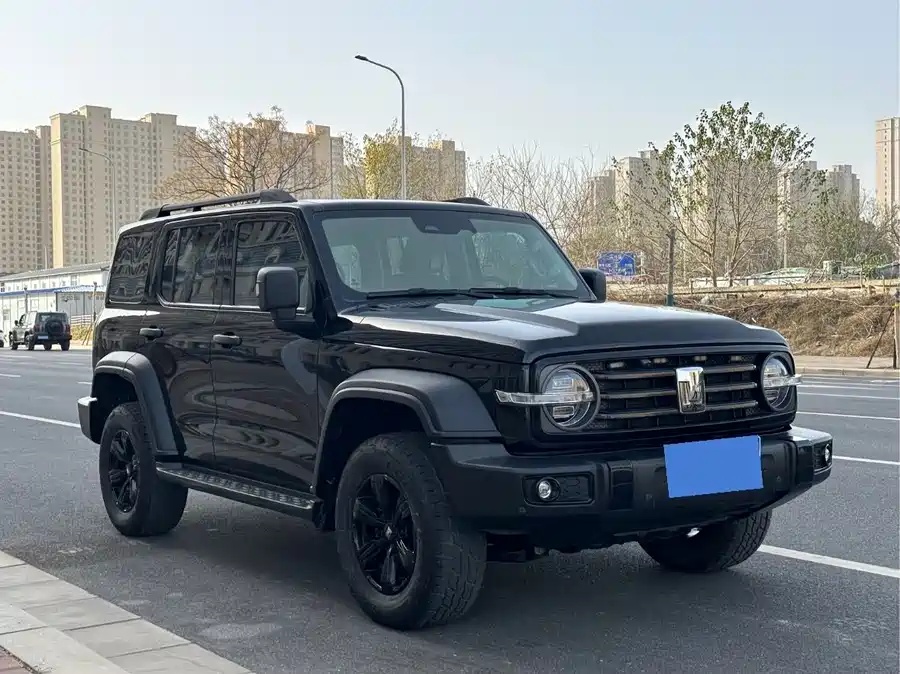
Compare RoRo and container shipping for a Tank 300 using route availability, dimensions, modifications, handling, insurance and destination costs.
When RoRo may fit
RoRo can be efficient on established vehicle routes because the SUV is driven onto and off the vessel. The vehicle normally must run, steer and brake, and carriers restrict fuel, loose cargo and some modifications. Sailing frequency, trans-shipment, port access and destination charges may matter more than the headline ocean rate.
When a container may fit
A container can suit routes without practical RoRo service or buyers who want a sealed loading record. The Tank 300 must fit with safe clearance, securing and door-access plans; modified height or width can change feasibility. Loading, lashing, terminal handling, unloading equipment and detention risks need itemised quotes.
Prepare a body-on-frame SUV
Check leaks, warning lights, battery state, tyre pressure and attached accessories. Remove or secure loose items under carrier rules. Photograph every side, roof, underbody-visible area, odometer, fuel gauge and keys at handover. For plug-in hybrid versions, confirm the carrier’s current battery and dangerous-goods requirements before booking.
Insurance and claim evidence
Ask what physical loss or damage the policy covers, which exclusions apply and how value is declared. A carrier’s liability is not necessarily equivalent to cargo insurance. Retain pre-loading inspection, dated images, handover records and prompt arrival evidence. Report damage before repair or vehicle release when policy procedure requires it.
Evidence to collect
- Actual dimensions and condition
- Live route and schedule
- Carrier modification rules
- Loading and lashing charges
- Cargo cover and exclusions
- Arrival inspection procedure
Apply the guide to a real candidate
Choose ports as a complete route
Compare seller-to-origin-port transport, sailing frequency, trans-shipment, destination terminal capacity and final delivery. A lower ocean rate from a distant port may add Chinese inland cost and delay. A closer destination port may have higher handling or storage. Ask for the likely free-time and release procedure, then model a reasonable customs delay instead of assuming same-day collection.
Create a loading condition record
Use a numbered image set covering each body panel, glass, wheels, roof, spare wheel, cabin, odometer, fuel level and existing damage. Record keys and loose accessories accepted by the carrier. For container loading, add images of ramps, wheel position, clearance and lashings before door sealing, plus the seal number. The record should identify the VIN and date and be retained outside the vehicle.
Arrival is an inspection event
Before moving or cleaning the vehicle, compare it with the departure report and note battery, tyre and fluid condition. Photograph suspected transit damage at the terminal with context and detail. Notify the carrier, insurer and surveyor according to their deadlines before repair. Keep release notes and receipts. Driving away without documenting visible damage can weaken the evidence needed for a claim.
Final approval control
The shipping instruction should name the exact vehicle, measured dimensions, running status, fuel level requirement, external accessories, key count and permitted contents. It should state who may move the vehicle, who signs the handover, how damage is recorded and who receives carrier updates. Confirm the consignee and notify party exactly as required for release. Before the documentation deadline, recheck spelling and identifiers rather than copying an earlier informal quotation. These details are operational controls: a correct vessel booking with an incorrect consignee, VIN or vehicle status can still create delay and avoidable terminal cost.
Frequently asked questions
Is RoRo always cheaper?
No. Route, port fees, schedule and destination handling determine the total.
Will a lifted Tank 300 fit a standard container?
Measure the actual vehicle and obtain a professional loading plan; do not rely on stock dimensions.
Can accessories be left inside?
Only if the carrier, customs and insurer permit them and they are documented and secured.