
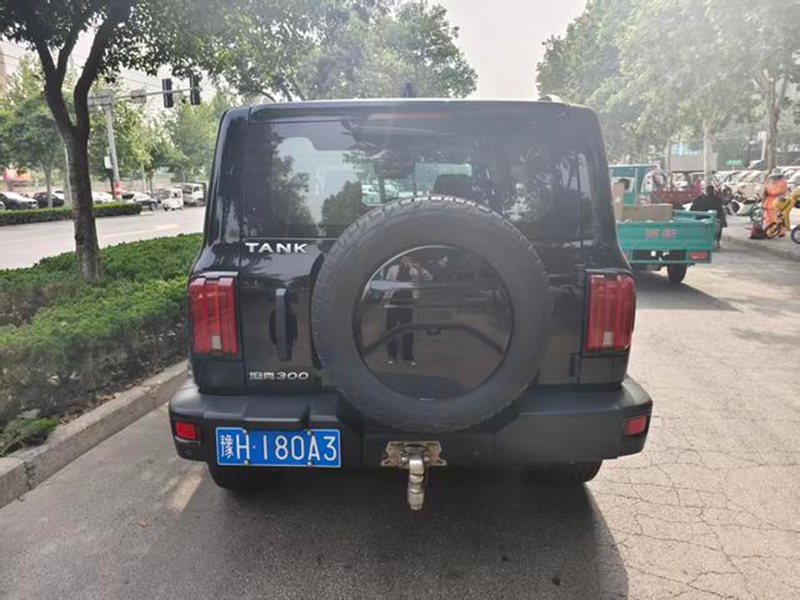
Check Tank 300 fitted tyres, wheel identity, load ratings and usable spare. Assess modifications and support rather than approving tyres by appearance.
Read every tyre, not only the front pair
Record size, load and speed markings, construction, model, age information and visible condition for all running tyres and the spare. Note differences in wear and any repaired damage through a competent tyre assessment. An advertisement often mentions one size without showing what is on the other axle. Use the inspection checklist to preserve a comparable record for each candidate. Check the original placard and applicable documentation, then establish whether the installed combination is accepted for the vehicle and destination. A familiar online Tank 300 size is not proof of fitment across all powertrains, markets and modified cars.
Identify wheels and the accepted modification scope
Confirm wheel dimensions and relevant fitment information through a competent supplier, including the load capability and the installation requirements. Do not judge compatibility solely from a wheel fitting over the hub. An offset, diameter or tyre change can affect clearances, steering behaviour and the supported vehicle setup. The lift-kit and alignment assessment covers related suspension changes without making every tyre problem a lift problem. Retain invoices and the destination acceptance basis. If the seller cannot identify the wheels, price a verified replacement combination rather than assigning a premium to a visually attractive accessory.
Assess matching and wear for the actual drivetrain
Ask a qualified workshop to evaluate the set against the applicable drivetrain guidance. Differences in rolling characteristics can matter even when printed sizes appear similar, because model, wear and construction can differ. Do not invent a universal permitted circumference tolerance. Review the 4WD and differential-lock tests separately from tyre selection. A normal dashboard does not establish that a mismatched set is acceptable. Check why tyres were replaced one at a time and whether alignment or damage explains uneven wear. The buying decision needs a supported assessment, not an automatic rejection of every mixed-brand set or approval of every identical sidewall label.
Make the spare a documented operating solution
Inspect the spare’s condition, pressure guidance, wheel fitment and any applicable restrictions. Ask how the supplied spare is intended to be used with the running set according to the exact instructions. Do not assume that a full-size-looking tyre supports unrestricted operation in every configuration. Confirm the jack, tools and relevant lifting instructions are present and appropriate, without demonstrating unsafe roadside lifting. The rear-door carrier guide addresses the separate mounting and weight consequences. A good tyre stored on a damaged carrier is not a complete solution, and an intact carrier does not prove the spare is usable.
Compare road behaviour with the installed combination
A qualified driver can observe normal steering, braking feel and vibration on a safe lawful route. Preserve the speed, surface and load context rather than diagnosing a tyre or wheel from one cabin recording. Use the motorway noise and vibration test when symptoms appear. Do not drive a candidate that the inspector considers unsafe merely to obtain evidence. Check whether a reported improvement followed balancing, replacement or an unrelated repair, and require appropriate repeat assessment. A short smooth-road test cannot establish grip, handling or suitability on every terrain, particularly when the vehicle has been modified.
Price a complete, supportable set before approval
Obtain local availability and a written estimate for any required tyres, wheels, fitting, alignment and related work. Include the spare and carrier implications instead of budgeting only four visible tyres. Ask whether the selected size and rating can be obtained on regular travel routes. The loaded weighbridge guide helps relate the real operating load to the documented limits, but a scale ticket does not approve an unsuitable tyre. Compare the delivered total with a candidate already fitted correctly. A low purchase price should not depend on postponing necessary tyre work or relying on unavailable replacements abroad.
Evidence to collect
- All five tyre identities and condition records
- Applicable placard and accepted wheel fitment
- Qualified matching and wear assessment
- Spare restrictions, tools and carrier inspection
- Destination replacement supply and complete estimate
Primary references
Specifications and equipment can vary by market, model year, trim, VIN and production batch. Verify the exact vehicle and current destination rules before purchase.
GWM Australia brochure: example variant wheel/tyre distinctions, not universal fitment ↗Frequently asked questions
Does the same printed size prove every tyre is equivalent?
No. Ratings, construction, model, wear and vehicle guidance also matter; obtain a supported assessment of the set.
Is an external full-size spare automatically unrestricted?
No. Verify the actual spare and the applicable operating instructions for its use with the fitted running tyres.