
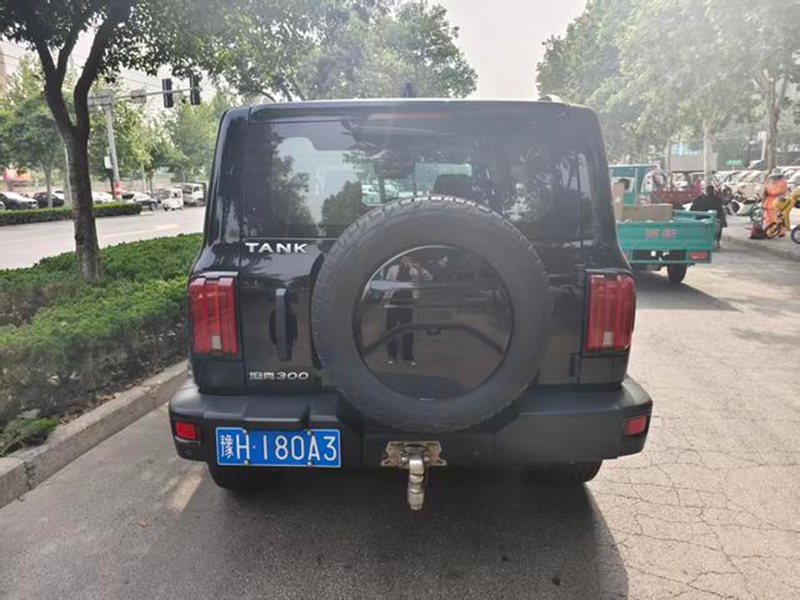
Inspect Tank 300 structure, underbody, four-wheel drive, modifications, electronics and documents before approving an export vehicle.
Body, frame and underbody
Measure paint systematically and inspect seams, welds, pillars, floor, body mounts and frame rails. Look for deformation, fresh coating, mud trapped in cavities, impact marks on guards, damaged recovery points and corrosion around fasteners. Scraped protection is not automatically serious, but a bent frame member, displaced mount or concealed structural repair requires specialist judgement. Use the dedicated frame and underbody wear guide when the vehicle shows hard-use evidence. For an electrified candidate, use the HEV and Hi4-T battery inspection guide to select tests appropriate to its actual powertrain.
Powertrain and four-wheel drive
Begin with a genuine cold start and check fluids before warming the vehicle. Scan all control units, not only the engine computer. Road-test transmission shifts, steering and braking, then operate the transfer modes and locking systems fitted to that VIN under safe conditions. Listen for driveline vibration, bearing noise, clunks and tyre-related rumble.
Suspension, tyres and modifications
Check ride height side to side, spring and damper identification, bushings, ball joints, wheel bearings, alignment clues and tyre age. Oversize tyres or a lift can change gearing, clearance, steering load and shipping dimensions. Inspect wiring for lights, winches, compressors and auxiliary power; poor fusing or routing is both a reliability and fire risk.
Cabin, water and documentation
Test both keys, screens, cameras, climate control, seats, windows, safety warnings and driver-assistance functions. Look for water lines, damp odour, silt under trim and corrosion in low connectors. Match the VIN, odometer, registration, service evidence and seller identity, then record every included accessory before the vehicle leaves the inspection site. Continue with the Tank 300 accident, flood and restraint checks when this evidence applies to the candidate.
Evidence to collect
- Paint readings and frame images
- Cold start and full diagnostics
- 4WD and lock function
- Suspension and tyre data
- Modification wiring and mounts
- VIN, keys and documents
Apply the guide to a real candidate
Require measured findings
“Good condition” is not a finding. The report should include paint-depth locations, tyre tread and date codes, fluid observations, diagnostic codes, battery voltage or health where appropriate, brake and suspension evidence and a road-test description. Each important defect needs a clear image with vehicle context and close detail. The inspector should distinguish observation from diagnosis and state when disassembly or specialist testing would be required.
Test modifications as a system
A suspension lift affects more than ground clearance. Review spring and damper compatibility, travel, brake hoses, alignment, steering geometry, driveshaft angles and tyre clearance through steering and articulation. Electrical accessories need correct cable size, fusing, relay control, waterproofing and secure routing. Heavy bumpers or roof equipment affect weight and handling. Record whether removed factory parts and installation documents accompany the vehicle.
Translate findings into a decision
Classify results as accept, repair before shipment, price-and-repair after arrival, investigate or reject. Safety, structural integrity, identity and destination legality should not be traded for a minor discount. Require evidence after agreed repairs, including parts and completion images. The final accepted report and exceptions should be attached to the contract so that a changed vehicle condition at handover can be identified.
Final approval control
The inspector should issue a short executive conclusion in addition to the detailed report. It needs to state whether identity was confirmed, which systems could not be tested, whether structural concerns exist, whether diagnostic faults remain, which modifications need action and what must happen before shipment. The buyer should answer each material item in writing: accept, repair, investigate or reject. A seller discount does not close a technical finding unless the buyer accepts the repair risk. Preserve the original report, media and scan data; a rewritten sales summary can omit uncertainty that later matters for customs, insurance, maintenance or resale.
Frequently asked questions
Are underbody scratches a reason to reject the car?
Not by themselves. Their location, depth, associated deformation and repair quality determine significance.
Should differential locks be tested?
Yes, when fitted, using a safe manufacturer-appropriate procedure and confirming there are no related faults.
Why inspect aftermarket wiring?
Unfused, undersized or poorly routed wiring can cause failures or fire and may breach destination rules.