
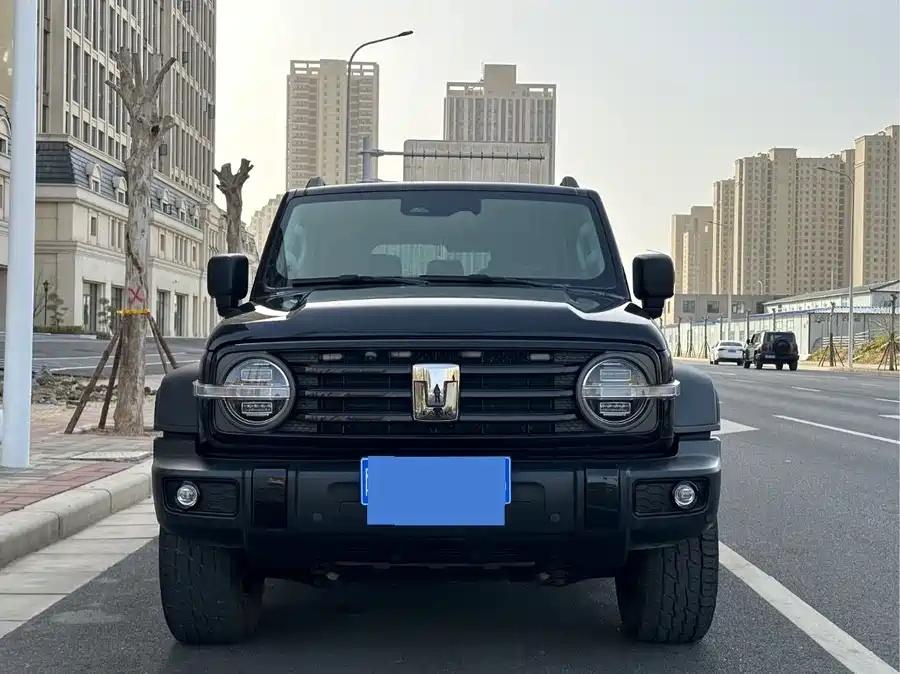
Separate normal Tank 300 tyre and wind noise from vibration, wheel, shaft and sealing faults during a safe pre-purchase motorway assessment.
Establish a fair starting configuration
Record tyre model, size, tread, pressure, wheel condition, roof load and fitted accessories. Note whether the vehicle carries an all-terrain or more road-focused tyre rather than comparing unlike setups. Ask about balancing, alignment and recent replacements. The lift and alignment guide is relevant when ride height or wheel offset has changed. Remove only agreed loose cabin items before the test so rattles can be separated from the vehicle. Keep the delivered configuration documented; testing without a noisy accessory is useful diagnosis but not proof that the sold package is quiet.
Use a safe and repeatable road route
A qualified driver should use legal speeds, ordinary acceleration and normal lane changes, with observations recorded by a passenger or safely mounted device. Note road surface, wind, load and temperature. Do not coast in neutral or provoke harsh manoeuvres to reproduce a symptom. Compare smooth and coarse surfaces where available because tyre noise changes markedly with texture. If traffic prevents a useful speed range, state the limitation. A buyer should not receive a motorway approval based on a few minutes on a congested frontage road.
Describe the vibration rather than naming a part
Record whether it is felt through the steering wheel, seat or floor and whether it changes with speed, acceleration, braking or engine load. A repeatable speed-related vibration may involve tyres or wheels, but other causes remain possible. Ask a workshop to check balance, runout, damage and relevant driveline components before ordering parts. Use the four-wheel-drive and transfer-case test where mechanical symptoms overlap. Avoid diagnosing a driveshaft or transmission solely from a phone recording; the operating pattern helps a technician choose the next test but is not the conclusion.
Separate wind, accessory and sealing noise
Listen around doors, mirrors, glass and roof equipment while keeping attention on safe driving. Check whether a roof rack, light bar, loose trim or poorly seated seal explains the change. A workshop may use controlled methods to isolate the source; do not apply improvised external covers that can detach on the road. Ask about replacement glass and accident repair when wind noise is localised. Compare the same car before and after an agreed accessory removal where practical. Keep the result tied to that configuration rather than describing the whole model as unusually noisy or silent.
Check braking and post-drive evidence
Observe moderate braking for steering pull, pedal pulsation and changes in vibration. After the route, have the inspector check relevant temperatures, leaks, loose hardware and stored faults where indicated. Do not touch hot brake or exhaust components. If tyre replacement is proposed, require a repeat test and an explanation of why it addresses the symptom. A new set may improve noise while leaving geometry or bearing problems unresolved. The inspection checklist should record the final finding and any test that could not be completed before purchase.
Choose comfort and condition separately
A mechanically sound vehicle on aggressive tyres may still be the wrong choice for a buyer covering long paved distances. Price a suitable wheel-and-tyre solution, accessory changes and fuel implications without calling them defect repairs. Conversely, a persistent unexplained vibration should not be accepted as normal off-road character. Compare the corrected cost with a standard candidate that already suits the route. Write the accepted tyre and accessory setup into the order, preserve the test conditions and ask the receiver to repeat a comparable drive after shipping and pressure adjustment.
Evidence to collect
- Tyre, wheel, roof and load configuration
- Documented legal-speed test conditions
- Vibration location and operating pattern
- Wind-noise and repair-history investigation
- Repeat test after any proposed correction
Primary references
Specifications and equipment can vary by market, model year, trim, VIN and production batch. Verify the exact vehicle and current destination rules before purchase.
GWM Australia Tank 300 brochure: market reference; verify the candidate separately ↗Frequently asked questions
Is every motorway vibration normal on all-terrain tyres?
No. Tyre design can affect feel and noise, but persistent vibration needs inspection of tyres, wheels, geometry and other relevant components.
Can a phone recording establish cabin noise quality?
It can illustrate a complaint, but microphone processing and placement distort comparisons. A consistent route and an independent written assessment are more useful.