
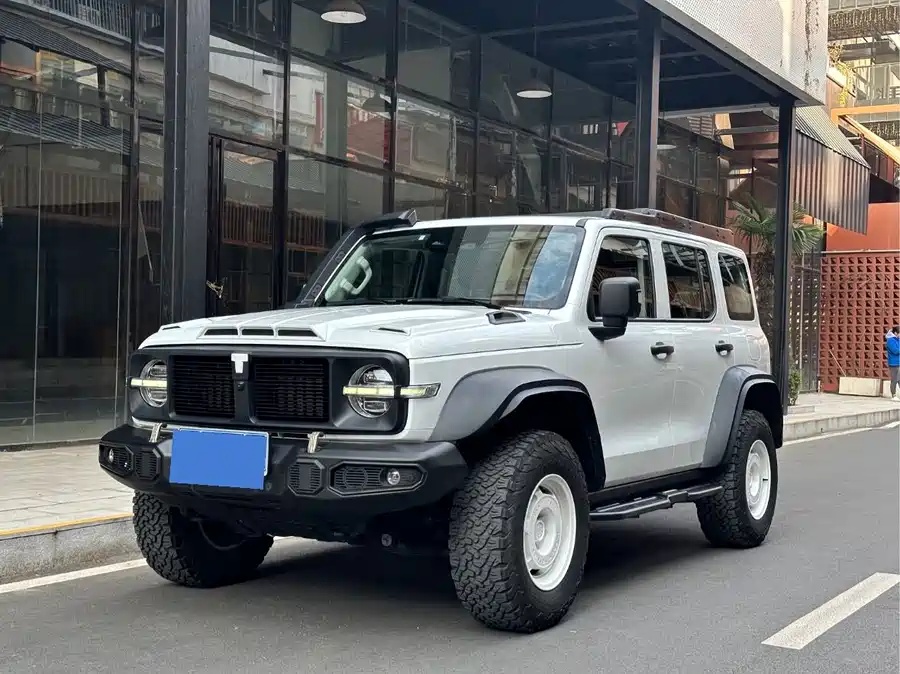
Value stock and modified Tank 300 offers through task fit, accessory evidence, inspection access, reversibility and preparation-adjusted price.
Separate factory options from later installations
Create a photographed configuration list identifying factory equipment, dealer additions and subsequent work. Record the installer, parts identity and available supporting documents without assuming every invoice confirms approval. The modification and export review handles the technical and destination checks. A special-edition badge needs its own production evidence; styling similarity is not proof. Stock appearance also needs a history review because previously removed equipment can leave mounting, wiring or geometry changes. The purpose is to know what is actually being bought, not to assign value from the number of visible accessories in the advert.
Match each accessory to a real task
List which additions solve a necessary requirement and which are optional preferences. A winch, roof platform, aggressive tyres or auxiliary power system can be valuable in one use case and inconvenient in another. Use the tyre-package buying comparison when the fitted tread affects ordinary driving. Do not pay a premium simply because the seller originally spent heavily. If a part is unused by the buyer, its value may be limited even when properly installed. Conversely, a documented ready-to-use package can save practical preparation when it truly meets the intended trip and has accessible support.
Inspect beneath and around the attractive equipment
Have the assessor record areas concealed by protection, racks, covers or fresh coatings and request appropriate access where agreed and safe. The underbody inspection sequence distinguishes a fitted guard from evidence of a sound structure beneath it. Review mounting points, corrosion, recovery loads and signs of earlier installation changes. Do not dismantle high-risk or unfamiliar systems merely to complete a sales demonstration. If important evidence remains inaccessible, keep that limitation visible and decide whether another inspection can resolve it. A professionally presented accessory package should not reduce the underlying body, frame or drivetrain assessment.
Assess geometry, mass and electrical integration
Record suspension and wheel changes, actual loaded mass where necessary and the fitted electrical architecture. The lift and alignment assessment and accessory power review address separate technical scopes. Check whether installation documents describe the system now present, not an earlier arrangement. Approved carrying limits still apply and equipment consumes part of the allowance. A neat switch panel does not establish safe cable protection or suitable battery integration. Do not infer compliance from a previous owner’s long use without a reported incident; obtain the relevant qualified findings and destination requirements.
Compare the cost of keeping, correcting or removing
Request complete estimates for essential corrections, replacement consumables and any planned reversal to a supported configuration. Include labour, finishing, calibration or geometry work where applicable rather than counting only removable hardware. The inspection-led negotiation guide keeps diagnosed costs separate from uncertain symptoms. Removing a rack or bumper may not restore original mountings or wiring. If the seller proposes to return the vehicle to stock before handover, specify exactly what will be installed and require another assessment. The buying comparison should use the configuration that will actually arrive, not whichever version makes the quotation appear cheapest.
Keep the delivered accessory schedule explicit
Photograph and name the equipment included in the accepted price, including wheels, spare, keys and any removable trip equipment. The contract accessory schedule prevents a desirable photographed item from being removed or replaced without agreement. Identify warranties, manuals and installation records that will transfer, while confirming the actual provider rather than promising universal coverage. A modification can change shipping dimensions or preparation requirements, so the carrier quote also needs the accepted configuration. Reject vague phrases such as fully upgraded where they conceal which components are included and which responsibilities remain open.
Choose documented usefulness over appearance
Prefer stock or a modestly equipped candidate when it meets the task with lower unresolved exposure. Choose a modified vehicle when its useful equipment, installation, condition, support and complete price justify the package. Pause when structural evidence, geometry, electrical integration or destination acceptance is unclear. A substantial discount cannot convert an unacceptable safety or registration concern into a sound purchase. Preserve the configuration and findings beside the VIN and reassess any substitution. This is a value decision for an identified vehicle, not a claim that all modified cars are damaged or that every stock-looking car has an uncomplicated history.
Evidence to collect
- Factory and aftermarket equipment separated
- Accessory value tied to actual buyer tasks
- Inspection limitations and hidden areas recorded
- Corrective or removal costs fully estimated
- Delivered equipment schedule agreed by VIN
Frequently asked questions
Should the seller’s accessory spending be added to the car value?
Not automatically. Value depends on usefulness, installation, condition, approval, support and the cost of alternatives.
Does removing a lift or bumper make a vehicle stock again?
Not necessarily. Remaining geometry, mountings, wiring and related changes require appropriate assessment.