
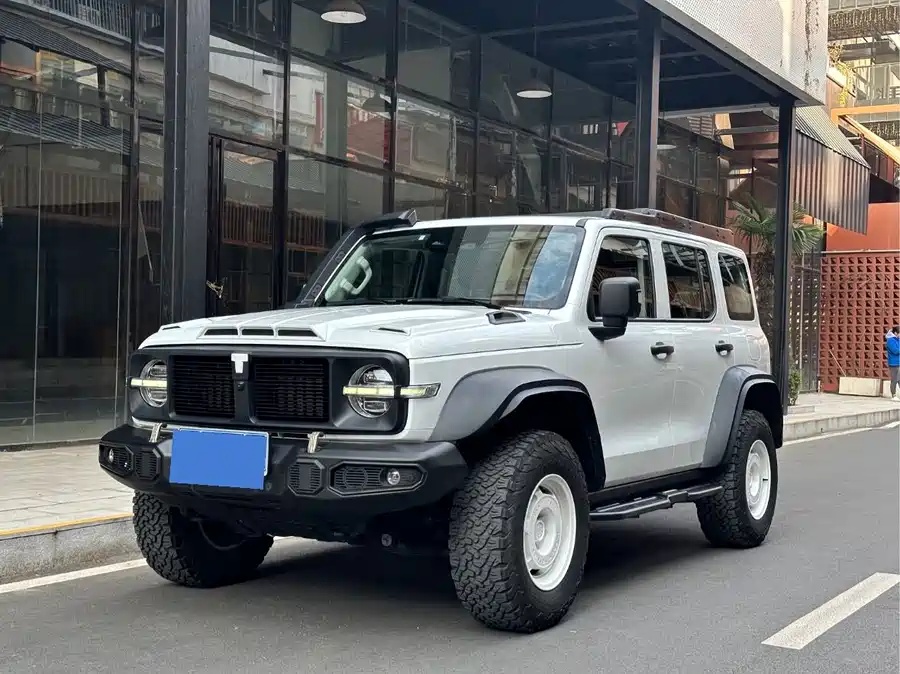
Build a Tank 300 landed-cost worksheet covering China purchase and export, freight, insurance, destination tax, port, compliance and risk reserves.
China-side costs
Start with the VIN-specific vehicle price and state whether it includes tax, inspection, repairs, export handling or delivery. Add supplier service, inland transport, storage risk, customs work and origin-port charges according to the actual quotation. A cheap vehicle far from the port or missing export-ready documents can produce a higher China-side total.
International transport
Add ocean freight, fuel or route surcharges, cargo insurance and any trans-shipment or documentation charges. Use the correct port pair and actual vehicle dimensions. Record quotation validity because freight changes independently of vehicle price. If comparing RoRo and container, include loading, lashing and equipment on the container side.
Destination taxes and release
Ask a local professional which value basis applies to duty and tax, and whether engine capacity, emissions, age, fuel type or origin affects the rate. Add terminal handling, customs broker, inspection, storage allowance, registration, plates, conformity work and local delivery. Keep refundable deposits separate from true costs.
Contingency and decision threshold
Include a transparent reserve for exchange movement, inspection findings, delay and first service. Do not hide an unrealistic base estimate behind a large unexplained contingency. Compare the landed total with a locally available alternative of similar condition and support, then decide the maximum vehicle price that keeps the import rational.
Evidence to collect
- VIN-specific purchase scope
- China logistics and export
- Freight and insurance
- Duty and tax basis
- Port, compliance and delivery
- Currency and repair reserve
Apply the guide to a real candidate
Use three cost scenarios
Build expected, favourable and adverse cases. Change the uncertain lines—exchange rate, freight, customs valuation, storage, repair and compliance—rather than applying an unexplained percentage to everything. The adverse case should still be financially survivable. If the purchase only works under the most optimistic tax or condition assumption, the vehicle price is too high or the evidence is too weak.
Record the tax formula
Write the value basis, rates, sequence and source date supplied by the destination professional. Some taxes apply to a value that already includes freight or duty, so simply adding percentages can understate the result. Confirm whether age, engine size, fuel type or emissions changes the formula. Recalculate using the candidate’s actual data before payment and again before shipment if rules or exchange rates move.
Measure value after arrival
The comparison vehicle should be a locally registered SUV of similar age, condition, powertrain and support—not a new showroom price chosen to make the import look attractive. Consider time, warranty reach, parts access and resale liquidity. A successful import is one that delivers the required vehicle at a justified total with manageable risk, even if it is not the cheapest possible transaction.
Final approval control
Approve the purchase only when the worksheet identifies the owner of every estimate. Chinese vehicle and export figures should be traceable to the supplier; freight to a dated forwarder quote; taxes and registration to current destination advice; repairs to inspection evidence. Mark expired quotations and recalculate the exchange rate on the intended payment date. Then compare the adverse scenario with the maximum available cash, not only the buyer’s target. If port storage, tax reassessment or a delayed part would create an unaffordable shortfall, reduce the vehicle-side price or keep a larger reserve before contracting.
Frequently asked questions
Can you quote exact import tax without a destination?
No. Country, vehicle data, value basis and current rules are necessary.
Should the contingency be a fixed percentage?
Use scenario-based amounts where possible; the appropriate reserve depends on evidence quality and route.
What is the most common budget mistake?
Comparing a Chinese vehicle listing with a locally registered retail vehicle while omitting the middle costs.