
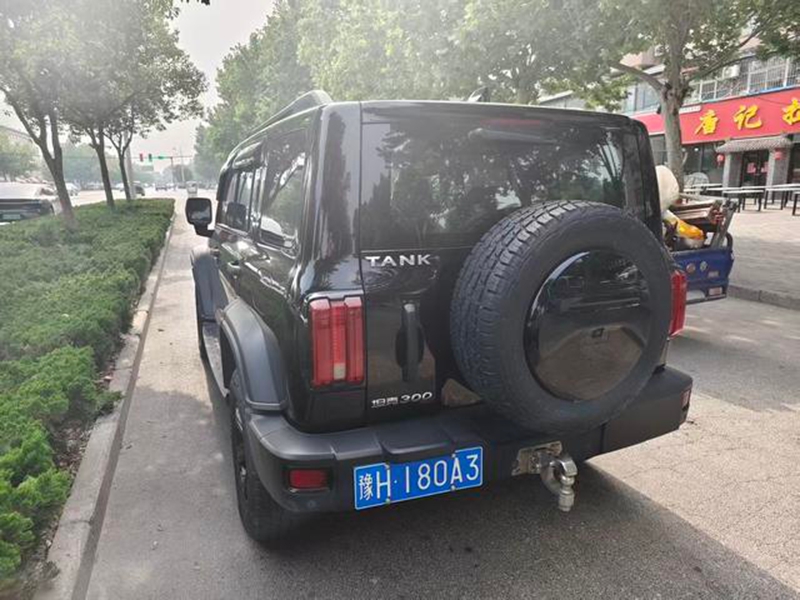
Inspect Tank 300 frame corrosion and coating history before export. Distinguish protection, concealed damage, drainage issues and measured structural concerns.
Establish the exposure and preparation history
Ask where the vehicle operated and was stored, including coastal conditions, road treatment, water exposure and long inactive periods. Record recent washing, coating or rust treatment and request invoices if work was done. A seller’s location today does not prove the earlier environment. The mileage and service-history guide helps place events in a chronology. Avoid assuming that every coastal car is unsuitable or that an inland car cannot corrode. The history supplies targeted questions for the inspector; it does not replace the current assessment. A preparation record should identify materials and scope rather than say underside restored.
Map accessible frame and attachment areas
Use appropriate lift access and a competent inspector to record frame surfaces, body mounts, suspension attachment areas, accessible lines and brackets. Preserve photographs with location and orientation so follow-up work can be discussed accurately. The frame and off-road-wear guide addresses impact evidence alongside corrosion. Distinguish observed surface changes from measured loss, perforation or a concern that requires further examination. Do not recommend destructive scraping or dismantling by an unqualified buyer. Ask what tools and access were used and which cavities or surfaces were not examined. An apparently clean set of selected photographs cannot establish the entire structure’s condition.
Read new coating as a reason to request evidence
Ask why coating was applied, what preparation preceded it and whether the original condition was photographed. Evaluate accessible edges, fasteners, drainage paths and areas the inspector considers relevant. Uniform black appearance can make defects harder to see, but it is not proof of concealment or fraud by itself. The accident and flood assessment is relevant when other history or physical findings raise concern. Record where coating limits confidence. If further professional inspection or localised work is needed, agree the scope before purchase rather than accepting a promise that protection always adds value.
Separate protection from a completed structural repair
A coating product cannot establish restored material strength or replace a required repair assessment. Ask the qualified provider to define the finding, applicable remedy and necessary acceptance evidence. Do not invent a universal permitted corrosion depth or approve a welded frame solely because it has been painted. Keep safety-critical structure, replaceable brackets and minor cosmetic areas separate in the quotation. The inspection checklist should show any exclusions and referral for specialist assessment. A buyer needs to know whether the proposed work removes contamination, repairs damage or merely changes appearance, because those interventions address different risks and have different support consequences.
Check drainage, materials and maintenance access
A competent installer should confirm that a protection treatment is appropriate for the components and does not obstruct relevant drains, cooling, wiring or service access. Follow applicable materials and vehicle instructions rather than spraying every surface indiscriminately. Ask how future inspections will be performed and what maintenance the treatment needs. The post-off-road service evidence guide is useful where mud or water exposure preceded preparation. Protection applied over an unresolved issue can increase uncertainty even if the visible finish is attractive. Preserve the original condition record and product information for the destination workshop instead of treating the coating as a permanent one-time guarantee.
Compare the supported remedy with another candidate
Obtain a documented estimate for further assessment, accepted repair and protection work. Include labour access, parts, downtime and the inspection confidence remaining afterward. Do not value an unverified coating above a clearly inspectable vehicle without a reason. The landed-cost guide keeps this work visible beside purchase and transport costs. Where structural safety cannot be adequately assessed or a recognised remedy is unavailable, choose another Tank 300 instead of pricing the unknown as a small cosmetic discount. Approval should describe the observed condition and repair evidence, not use rust-free as an unsupported lifetime claim.
Evidence to collect
- Exposure and dated treatment history
- Location-mapped qualified frame assessment
- Coating preparation records and hidden-area limits
- Supported repair versus protection distinction
- Destination estimate and repeat-inspection route
Frequently asked questions
Does new black coating prove corrosion has been repaired?
No. Obtain the original condition, preparation, repair scope and acceptance evidence; appearance alone cannot establish a remedy.
Is every surface rust mark a structural defect?
No. Location, severity and professional assessment matter. Do not diagnose structural integrity from colour alone.