
Compare identified Tank 300 and Bao 5 offers using energy-system needs, family loading, off-road hardware, condition and destination support.
Identify the exact generations behind both names
Record production, original market, full model designation and energy-system architecture. Fangchengbao’s current Bao 5 product information includes newer packages that must not be assigned to every earlier used example. The same caution applies to new Tank-family entries and historical 300 cars. Use the Tank specification record and obtain equivalent Bao 5 documentation. An attractive comparison of current brochure features cannot identify the used vehicles actually being offered. Keep pending software and supplier allocation separate from demonstrated equipment and real stock before deciding which quote represents better value.
Build the energy plan from ordinary use
Describe daily kilometres, long-road trips, terrain use and actual access to suitable charging. A petrol comparison does not require the same charging routine as a plug-in alternative. For an electrified Tank, use the destination charging assessment and require an equally specific Bao 5 inlet and supply review. Do not promise a fuel saving from a weighted brochure figure while assuming every journey starts charged. If reliable charging is absent, compare the actual operating scenario rather than valuing an electric-distance claim as though it described all daily use.
Compare capability through hardware, loading and support
Identify actual drive systems, operating instructions and applicable load limits. Body style and a powerful combined output do not establish the same terrain behaviour or towing permission. Check what is fitted and usable on each VIN and what professional tests are appropriate. The Tank off-road assessment turns the intended route into a purchase brief. Include passenger mass and equipment before valuing recovery or touring accessories. Do not assume that one architecture replaces operator skill, safe recovery planning or destination rules simply because an advertisement describes it as intelligent.
Trial family fit and access with the same objects
Use the intended driver settings, passengers, restraints and luggage on both cars. Measure loading openings and rear-door or tailgate operating space, not just brochure volume. The Tank family loading trial provides a repeatable test. Inspect access in the usual parking environment. A newer cabin or longer body may solve a genuine limitation, but verify that result with the actual arrangement. Do not compare one SUV with seats folded and the other with all occupants travelling, or mistake a display of an empty boot for proof that the family’s equipment fits.
Set an inspection scope appropriate to both systems
Both candidates need identity, structural, water, chassis and functional checks. An electrified vehicle additionally requires suitable battery and energy-system findings and clear assessment limitations. The Tank hybrid inspection illustrates the questions; the Bao 5 needs its own qualified procedure. Investigate replaced protective components and underbody impacts without declaring battery health from dashboard range. Ordinary road testing and visible cleanliness cannot assess every internal component. Ask which tools and documents the inspector used and whether the destination workshop can support the exact system that would be delivered.
Compare support and total expenditure at the destination
Obtain workshop responses for both engines, electronics and energy systems, along with parts identification and any regional software limitations. Verify warranty with the actual provider rather than transferring a domestic promotion across borders. Use the three-year ownership budget with consistent distance, fuel, electricity and exit assumptions. Separate known preparation from uncertain exposure. A stronger performance claim does not establish lower total cost, and a brand’s expanding network does not prove local capability for every imported variant. Count support that is available to the buyer, not support that exists only in the original market.
Choose a supported configuration rather than an abstract winner
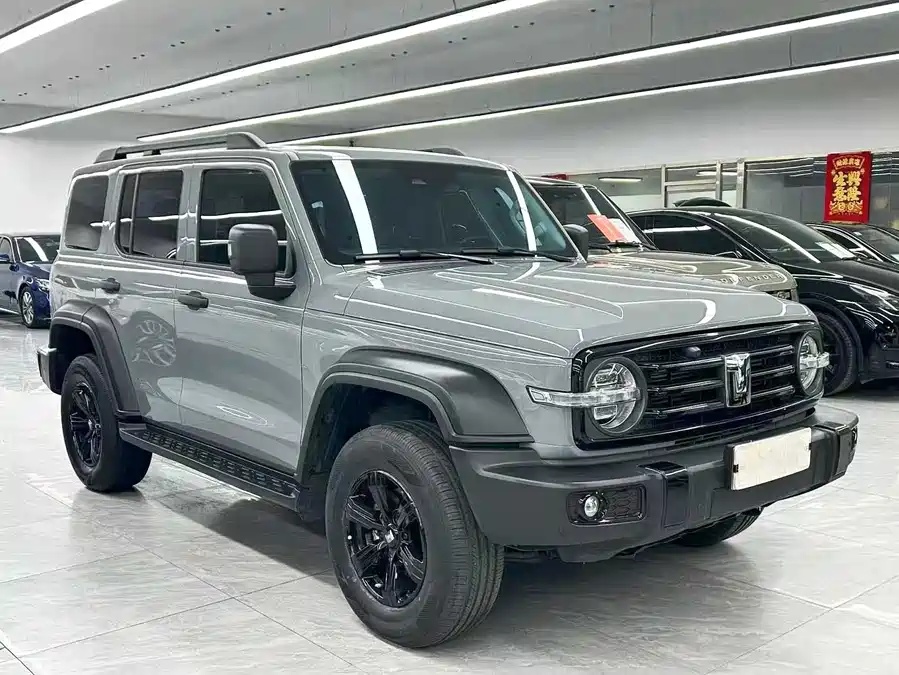
Prefer the candidate that meets energy access, passenger use, route and budget with understandable condition evidence. A petrol Tank may fit a buyer’s simpler energy brief; an electrified option may offer usable benefits where charging and specialist support are established. Neither can justify a weak inspection or uncertain destination acceptance. Keep the final selection tied to the offered VIN and quote version. The photograph is a Tank reference image, not the Bao 5 candidate. Ask for another car when the preferred configuration is available only through unsupported equipment or unverified future promises.
Evidence to collect
- Both full market and generation identities
- Real charging and driving brief
- Actual hardware and carrying limits
- Equal passenger and luggage trial
- Energy-system and workshop evidence
Primary references
The current Bao 5 product range does not identify an earlier offered vehicle. Verify production-specific records, actual functions and independent condition evidence for both candidates.
Fangchengbao official Bao 5 range: match the actual version ↗Frequently asked questions
Can I compare the latest Bao 5 brochure with every used offer?
No. Match equipment and architecture to the actual production and original market.
Does more combined power settle off-road purchase suitability?
No. Hardware, loading, instructions, condition and support remain important.