
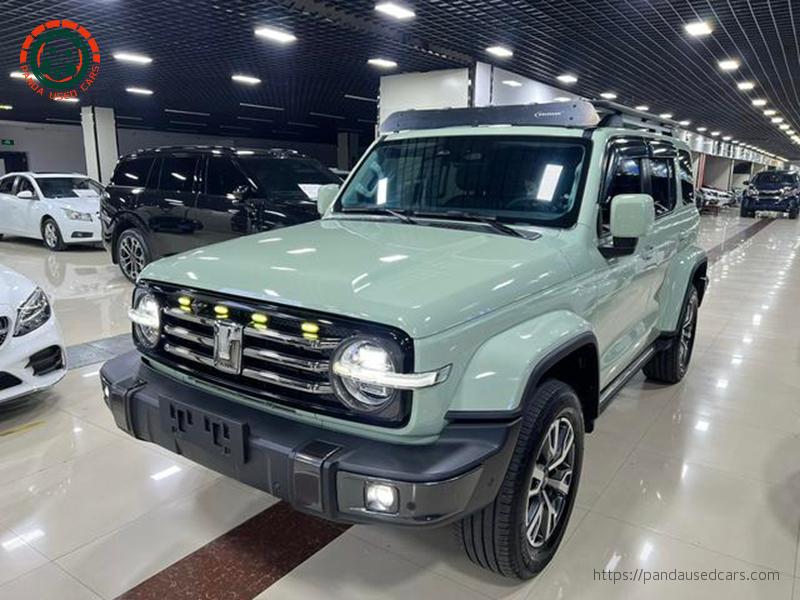
Trial Tank 300 child restraints, approved seating positions, front-seat comfort and tailgate loading with actual family equipment before purchase.
Include the real restraint models in the purchase brief
Record the make, model, approval and intended installation method for each restraint. Provide the manufacturer instructions and explain how many passengers travel normally. Distinguish rear-facing seats, forward-facing seats and boosters according to the applicable requirements rather than using age alone as a universal rule. The boot-space and family-use guide combines this with pram and luggage needs. A remote seller can collect measurements, but a different restraint model is not conclusive evidence that yours fits. Establish the required seating arrangement before prioritising upholstery, larger tyres or touring accessories that cannot solve a failed restraint trial.
Verify permitted positions and intact mounting hardware
Use the actual vehicle and restraint documentation to establish approved positions, lower anchors, top-tether requirements and belt routing. ISOFIX terminology alone does not approve every centre-seat or neighbouring-anchor combination. Ask a competent fitter to follow both sets of instructions and resolve conflicts through the relevant manufacturer. Inspect accessible belts, buckles, seatbacks and anchor areas for damage or modifications. The accident and restraint assessment is relevant when collision history or repairs affect these areas. Do not infer structural integrity from a bracket looking complete or from an empty warning display. A correct-looking accessory label cannot replace the approved installation route.
Trial normal front-seat positions and daily access
Set the driver’s seat for the real driver before fitting the rear restraint. Assess passenger usability behind and beside the required seats, following the applicable clearance and contact instructions. Do not move the front seats unrealistically forward just to make a sales photo look spacious. Evaluate getting through the door, placing the child and adjusting the harness while safely stationary. With more than one restraint, test them together and check independent buckle access. A brief empty-seat demonstration can miss interference that appears in ordinary use. Record the tested combination and any remaining position that cannot be used as originally planned.
Combine the seating result with actual luggage
Load the real pram, travel bags or equivalent identified equipment with rear seats in the accepted positions. Check the opening, floor arrangement and secure storage without blocking the driver’s view or restraint operation. The rear-door and spare-carrier guide helps assess tailgate clearance in the intended parking space. The spare and side-opening door can change the practical loading route even when quoted volume looks sufficient. Keep heavy gear properly controlled under the applicable instructions. A family plan should not depend on folding the very rear seat that a child must occupy or leaving recovery equipment loose beside passengers.
Weigh comfort and carrying capacity separately
Observe relevant rear ventilation and cabin comfort under stated conditions, but do not treat comfort as a safety certification. The hot-climate use assessment is useful where long family trips include severe weather. Account for passengers, restraints, luggage and installed accessories through the loaded mass and axle checklist. A successful fit trial does not establish payload compliance, and spare space does not automatically mean spare carrying allowance. Recheck the plan if a roof system, auxiliary battery or rear storage drawer is added. These changes can alter both usable space and measured operating mass.
Preserve the fitting result for the receiver
Keep photographs showing accepted positions and front-seat settings without unnecessary personal information. Retain the applicable instructions and the fitter’s unresolved questions. Do not assume used restraints supplied with a vehicle are suitable; their identity, condition and history require separate review. For a remote buyer, acknowledge what could not be physically trialled and resolve important gaps before approving the candidate. Compare a Prado alternative on the same real family requirements rather than relying on nominal SUV categories. If the arrangement fails, select another vehicle or an approved restraint solution instead of compromising installation requirements to make a preferred car fit.
Evidence to collect
- Actual restraint models and approved instructions
- Permitted positions with intact belts/anchors
- Normal front-seat settings and combined trial
- Pram/luggage plan with usable rear seats
- Separate measured payload and receiver record
Primary references
Specifications and equipment can vary by market, model year, trim, VIN and production batch. Verify the exact vehicle and current destination rules before purchase.
GWM Australia brochure: seating and equipment are variant/market references ↗Frequently asked questions
Does five-seat capacity prove three child seats will fit?
No. Test the actual restraints, permitted positions, belt access and occupants together using the applicable instructions.
Can a cargo-volume figure replace the family loading trial?
No. Door clearance, usable opening, seat positions and the shapes of the actual items affect practicality.