
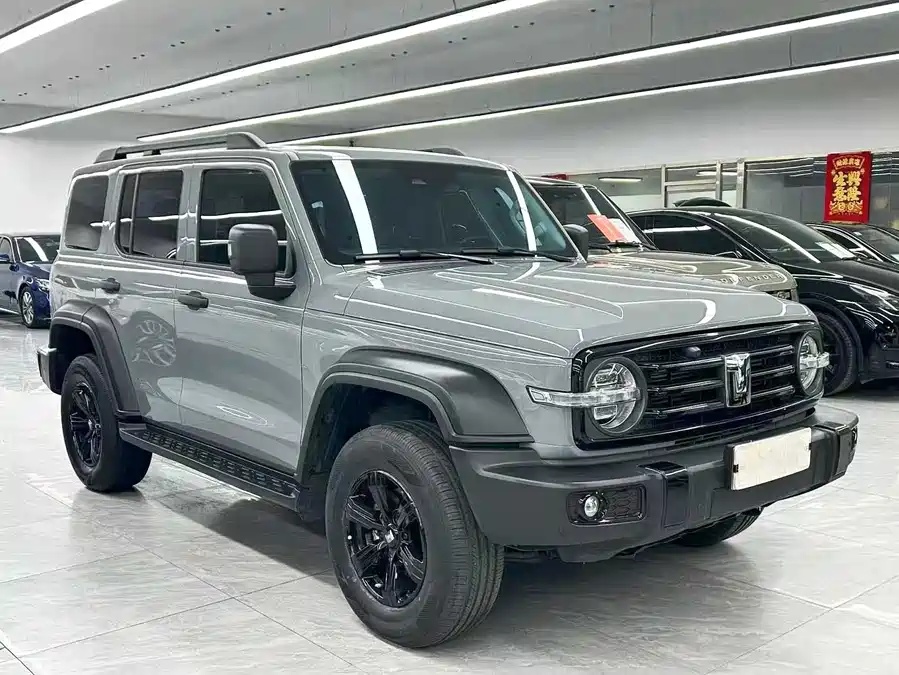
Choose China-spec Challenger or Conqueror Tank 300 candidates through dated factory equipment, working functions and condition-adjusted quotes.
Match the Chinese designation with its production range
Retain the original name from the applicable brochure or vehicle records, then add a plain-English equipment list. The manufacturer’s 2025 petrol announcement identifies Challenger and Conqueror packages for its stated range. Historical and later entries still need their own records. The versions guide explains why registration year and package translation are insufficient. If an advert combines a familiar name with a feature list from another country, ask for correction. A higher badge is not proof of an engine, transmission or drive system that has not been identified independently.
Separate essential traction hardware from preferences
Describe the actual terrain, frequency of difficult use and recovery support available. Identify whether a particular factory differential arrangement is essential or merely attractive. Confirm hardware physically and through build evidence; a switch is not enough. The factory-locker value comparison keeps purchasing need separate from the drive-system function test. Do not assume more locks make every route appropriate or remove the need for skills and a supported recovery plan. If the buyer rarely leaves maintained roads, evaluate whether the equipment premium offers a real benefit rather than reassuring capability marketing.
Test comfort and technology you will actually use
Make a function list covering camera views, seat controls, climate, phone connection, charging sockets and any assistance equipment essential to the brief. Check the installed car rather than relying on a brochure’s optional-feature illustration. Regional app and map services require separate confirmation. The infotainment and ADAS assessment records that boundary. A failed premium function needs a diagnosis and supported quote; an absent feature needs a corrected description. Do not count a promised future update or undocumented retrofit as equipment already supplied and working at acceptance.
Look for accessory changes that hide the original package
List wheels, suspension, bumpers, protection, lighting and electrical additions. Establish what remains factory original and which components have been removed. A lower factory trim with well-installed accessories is not the same product as a higher factory package; neither is automatically the better purchase. The modification review checks compliance and integration. Ask for installer records and original parts where applicable. If an accessory changes mass, geometry or destination acceptance, include its correction costs. Do not award a factory-equipment premium to a car whose relevant components were replaced without traceable support.
Use equal condition reports before ranking equipment
Request the same body, frame, water, powertrain and driveline assessment on both candidates. Check histories and test limitations. An expensive badge does not compensate for an unresolved underbody impact or unexplained service gap. Use the inspection checklist to establish a shared baseline. Note due tyres, brakes, keys and known electrical work separately. A cleaner Challenger can be more defensible than a Conqueror requiring uncertain repair, while a sound higher-package car can be worthwhile when its verified functions avoid a genuine limitation for the intended use.
Isolate the premium after preparation and delivery
Obtain comparable dated offers for the same destination and service scope. Add documented preparation to each, then identify the remaining price difference and the useful features it buys. The price comparison avoids treating a factory recommended retail price as the current export quote. Price any essential missing equipment through a supported installation proposal rather than assuming a cheap universal retrofit. Maintain a reserve beyond purchase and freight. If the premium eliminates that reserve without solving a recurring need, a simpler suitable candidate may provide the more controllable ownership route.
Approve a feature record that survives substitution
Document required equipment, factory identity, tested functions and supplied items in the final vehicle file. If a replacement candidate is offered, repeat the checks instead of assuming the same package name gives identical configuration or condition. Keep unsupported extras out of the accepted value. Choose the higher package where real functionality and condition justify its cost; choose the lower one where essentials already pass and the budget is stronger. The decision should remain understandable from the VIN evidence and inspection, not depend on a badge that another market uses differently.
Evidence to collect
- Dated original Chinese trim record
- Traction hardware confirmed
- Essential functions tested
- Factory versus accessory changes
- Preparation-adjusted equipment premium
Primary references
The announcement identifies packages in its stated China range, not every historical Tank 300 or a translated overseas equivalent. Current prices and installed features require candidate-specific evidence.
Tank China 2025 petrol announcement: package naming context ↗Frequently asked questions
Is Conqueror identical to an overseas Ultra package?
Do not assume equivalence. Compare explicit original-market equipment records.
Should I always buy the higher trim for off-road use?
No. Verify the actual task, hardware, condition and support before paying for additional features.