
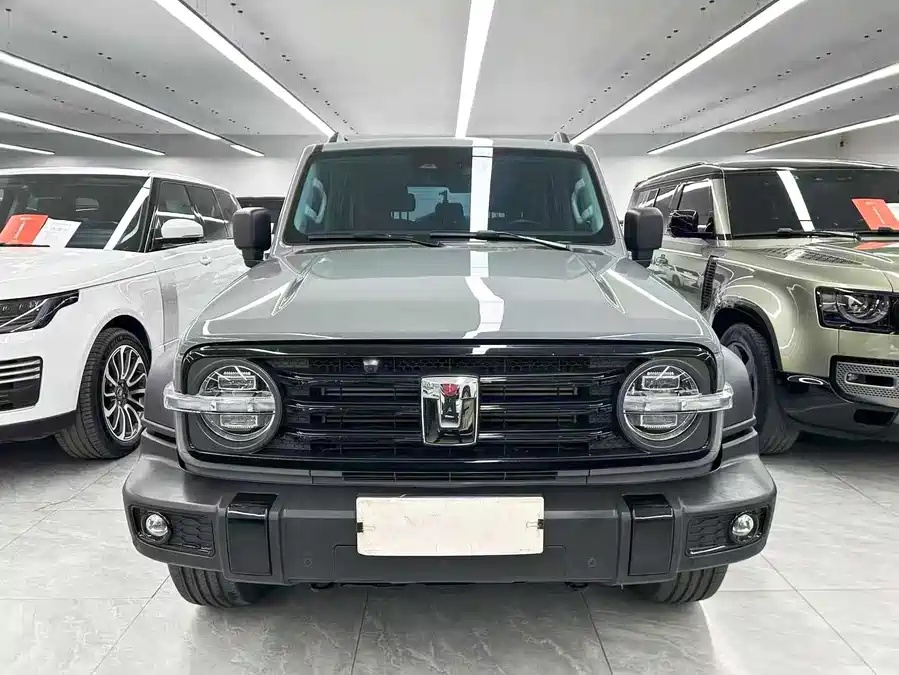
Compare Tank 300 and Jeep Wrangler for international purchase by off-road use, daily comfort, modifications, inspection risk, support and cost.
Factory configuration first
Decode each VIN and list engine, transmission, driven wheels, low range, axle or differential equipment, tyre size and factory options. Do not credit a locker, tow rating or safety feature based on a model nickname. Modifications should be shown in a second list with brand, installer, approval and condition.
Daily use and long-distance comfort
Compare seating, luggage access, ride, noise, climate performance, driver assistance and fuel range in the intended conditions. Tank 300 may appeal to buyers seeking a more enclosed luxury-oriented cabin at a particular price, while a Wrangler buyer may prioritise its distinct body and accessory ecosystem. Test rather than generalise.
Modification and trail-use risk
Both models can attract substantial aftermarket changes. Inspect geometry, suspension travel, steering components, bumpers, winch wiring, wheel offset, tyre rubbing, underbody impacts and recovery damage. A professionally engineered build can be useful; a visually dramatic undocumented build can create expensive legal and reliability work.
Parts, resale and import arithmetic
Check which powertrains local technicians understand, how quickly common and collision parts arrive, and whether diagnostic or calibration tools are available. Add purchase, correction, freight, tax, registration and initial service. Resale depends on local recognition of the exact variant and whether modifications narrow the future buyer pool.
Evidence to collect
- VIN-decoded factory equipment
- Daily-use priorities
- Trail and recovery evidence
- Modification quality
- Local parts ecosystem
- Landed and first-year cost
Apply the guide to a real candidate
Compare the cabin mission
Seat all regular passengers, assess rear access, luggage, climate performance, visibility, controls and noise at expected road speeds. Removable or highly configurable Wrangler features may matter greatly to one buyer and not at all to another. Tank 300 cabin equipment varies by grade. A feature list cannot replace a practical test of family travel, work gear and long-distance comfort.
Inspect geometry after modification
Measure ride height and identify springs, dampers, arms, track-correction components, wheel offset and tyre size. Check steering return, stability, braking, rubbing and driveline vibration. Ask for alignment results and engineering approval. Apply the same standard to both models; a large aftermarket ecosystem does not make every installation safe, while a factory-looking Tank 300 accessory is not automatically original.
Choose for the ownership network
Wrangler expertise may be strong where Jeep communities and specialists are established. Tank 300 support may be stronger in countries with current GWM distribution. Map routine service, trail repair, collision repair, electronic calibration and parts supply separately. The useful network is the one near the vehicle’s real operating area and familiar with its exact engine, transmission and electronic generation.
Final approval control
Ask whether the buyer wants an everyday SUV that can travel off road or a recreation platform whose compromises are part of the appeal. This changes the weight given to cabin refinement, removable features, modification ecosystem, highway behaviour and trail hardware. Apply that priority list to actual inspected vehicles at the same landed budget. Include the cost of reversing poor modifications and completing required local approvals. The comparison is complete only when the buyer can explain which compromises remain after arrival; choosing by silhouette or online community enthusiasm transfers the hard decisions into the ownership period.
Frequently asked questions
Which is better off road?
It depends on exact hardware, tyres, condition, terrain and driver; the model name alone cannot decide.
Are modified vehicles better value?
Only when the changes are useful, documented, well installed and legal at the destination.
Which is easier to maintain?
Compare the exact powertrain and local support network, not global brand familiarity.